


Preparedness Report •
Why Iodine Keeps Selling Out
Why are preppers stockpiling iodine? Here are 5 reasons.
September 29, 2026
If you have spent time around people who store food and supplies, you have probably noticed small bottles of iodine sitting on their shelves.
They are not stocking it for a radiation emergency. That is a different product entirely. They stock iodine for a much more boring reason — and it is worth understanding before you call your own pantry finished.
Does stored food have any iodine in it?
Can I just store extra salt instead?
Where does America's iodine actually come from?
Is this iodine the same as the radiation pills?
Let's clear up the big mix-up first. When people hear the words "iodine" and "prepping" together, most of them think of potassium iodide pills. Those are emergency pills for a radiation event. They use a far larger dose, and you take them only when health officials tell you to.
That is not what this is. T-3 Trifecta Iodine is a daily nutrition supplement. It does not replace those emergency pills, and those pills do not replace this.
So why do people who plan ahead keep iodine on the shelf?
Because iodine is a nutrient your body must have, cannot make, and cannot store much of — and there is almost none of it in the food people put into long-term storage.*
Here are the five reasons it ends up in their food storage.

1. Your Body Cannot Make Iodine, And Cannot Stockpile It Either*
Storing food is really just math. How much do we use, how fast do we use it, and what happens when we cannot buy more?
Iodine is a problem on two counts. Your body cannot make it out of anything else, so it has to come from food.* And your body does not keep a big reserve — an adult holds only about 15 to 20 milligrams of iodine in total, and you lose a little of it every single day.*
So iodine behaves like food, not like a tool. A tool you buy once. Iodine you use up and have to replace.
📄 Why Iodine Belongs On The List
Your body cannot make iodine. It cannot store much of it. And it loses some every day.* That combination is exactly what a food storage plan is supposed to catch.
Iodine is something you replace, not something you buy once.
2. A Year Of Stored Food Contains Almost No Iodine
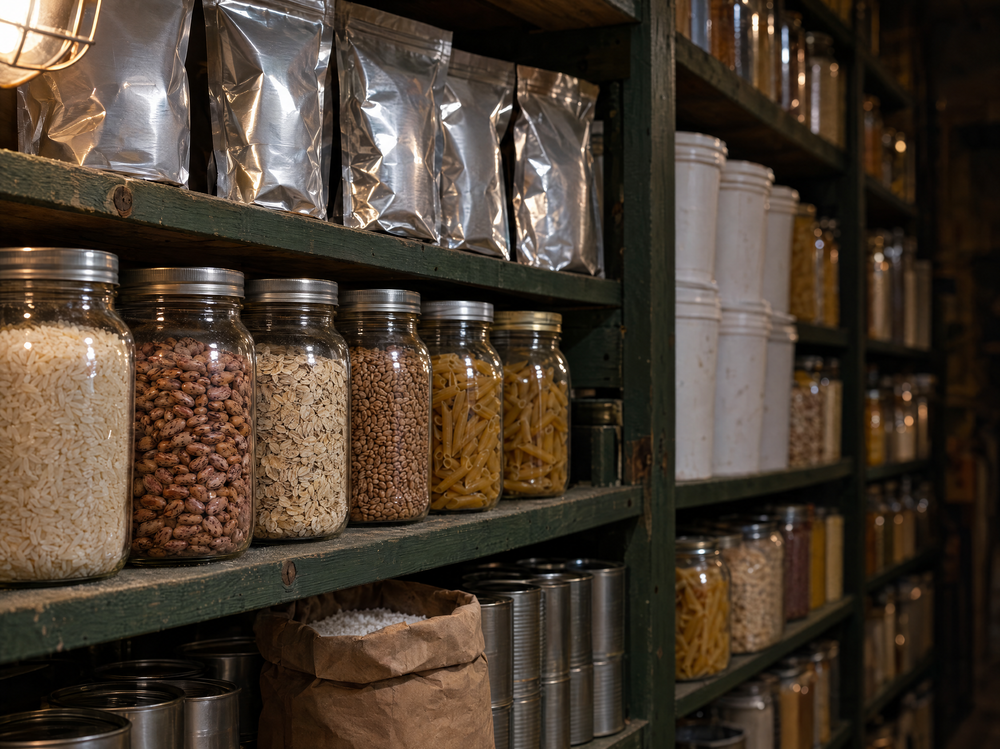
Look at what actually goes into long-term food storage. Rice. Beans. Oats. Wheat. Freeze-dried meals. Canned meat. Sugar. Bulk salt.
Almost none of it contains iodine. In normal daily life most people get their iodine from iodized table salt. But here is the catch that surprises people. The salt that goes into storage is usually not iodized. Canning salt, pickling salt, bulk salt and sea salt are nearly always sold without it.
So you can build a pantry that covers every calorie you need for a year and still be missing this one nutrient. Do not take my word for it. Go read the bags on your own shelf.
📄 Go Check Your Own Bags
Canning salt, pickling salt, bulk salt and sea salt are almost never iodized. If the bag does not say the word iodized, it is not.
A year of calories is not the same thing as a year of nutrition.
Fill The One Gap In Your Food Storage
GET T-3 TRIFECTA IODINE
3. Almost All The World's Iodine Comes From Two Countries
This is the reason that really gets people's attention, because it is about supply, not health.
Iodine is not spread evenly around the planet. Most of the world's supply is produced in just two places: Chile and Japan. There is no large backup source sitting here in the United States.
You do not need to imagine a disaster to see why that matters. It is simply a long supply line, from two countries, for something your body has to have and cannot make.* People who think about supply lines notice things like that.
📄 Where Iodine Comes From
Chile and Japan produce most of the world's iodine. Very little of it comes from anywhere else.
Long supply lines are the whole reason anyone keeps a pantry.
1,100 mcg
Iodine in one dropper
733%
Of the Daily Value
About 90
Servings in one bottle
2
Countries produce most of the world's iodine

4. A Three-Month Supply Fits In A 2-Ounce Bottle
Every storage plan runs into the same wall. Space and weight.
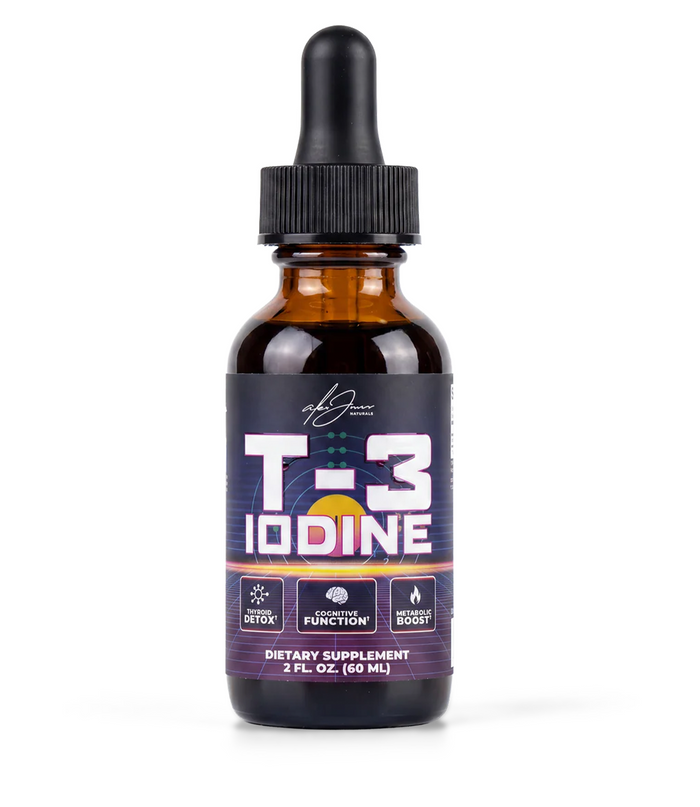
This is where a liquid wins. One 2 fl. oz. bottle holds about 90 servings — one dropper a day, so roughly three months. It needs no refrigeration, there are no tablets to crumble, and it fits in a bag you have already packed.
The alternative is salt. Getting the same iodine from iodized table salt means storing, and actually eating, a real amount of salt every single day. That is fine at home. It is not fine in a bag you might have to carry.
📄 Space And Weight
2 fl. oz. · about 90 servings · no refrigeration · no fillers. Roughly three months of iodine in something the size of a pill bottle.
One dropper by mouth, then drink water. Once a day.
Easier To Buy Now Than To Find Later
GET T-3 TRIFECTA IODINE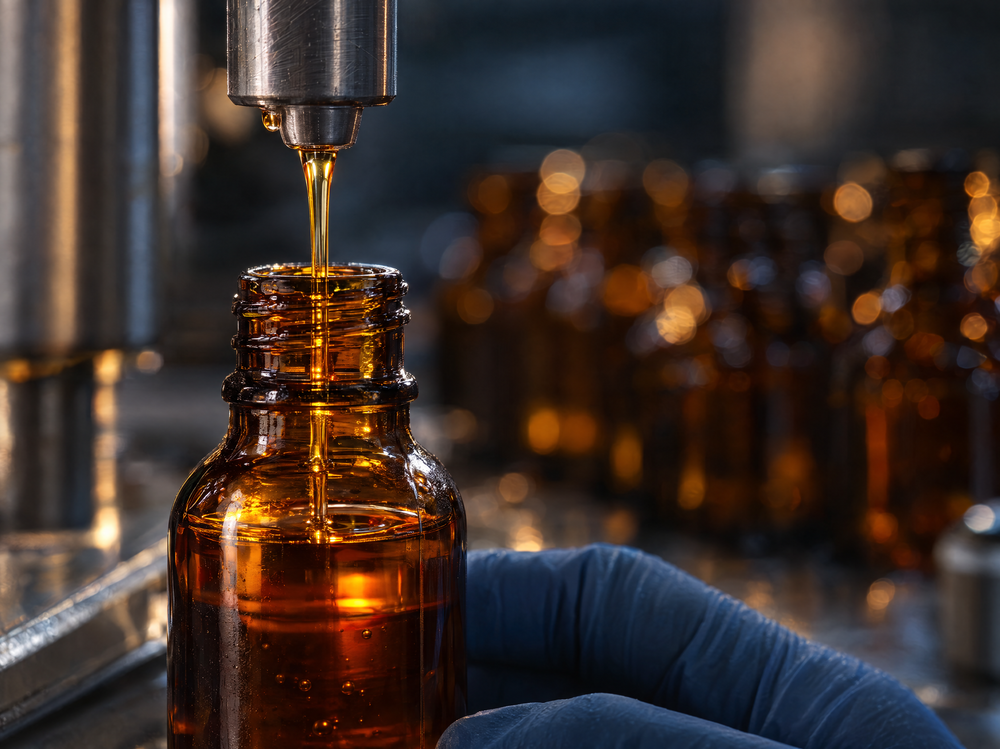
5. Each Batch Takes Six Months To Make, So It Sells Out
Most supplements are mixed and bottled in a day. This one is not. Each batch of T-3 Trifecta Iodine takes more than six months to prepare. Most companies will not wait that long. That is why it cannot be mass-produced, and why it runs out.
The formula is short. Iodine, 1,100 mcg per dropper, in organic flax glycerin. That is all of it.
And one more thing worth saying plainly. This store is how the broadcast stays on the air. Every bottle helps pay for a newsroom that no advertiser controls. You are filling your own shelf and keeping a microphone on at the same time.
📄 Why It Sells Out
More than six months of work per batch. When a batch is gone, it is gone until the next one is finished.
One ingredient. Printed right on the label.
Customer Reviews
What Real Buyers Are Saying
Put Iodine On The Shelf Before You Need It
One bottle is 2 fl. oz. and holds about 90 servings — one dropper a day, roughly three months. No refrigeration, no fillers, one ingredient printed on the label. And every bottle helps keep the broadcast on the air.
Secure checkout • Subscriptions pause or cancel anytime
This is a dietary supplement, not an emergency radiation product. It is not potassium iodide and is not a substitute for any product intended for use in a radiological emergency. *These statements have not been evaluated by the Food and Drug Administration. This product is not intended to diagnose, treat, cure or prevent any disease.
Do not use if pregnant, nursing, taking medications, or if you have known medical conditions — use only as directed by your health care provider. Iodine affects thyroid function: if you take thyroid medication or have a diagnosed thyroid condition, talk to your doctor before use. Do not exceed the suggested serving of one dropper daily. Keep out of reach of children. Individual experience varies and no particular outcome is promised.